Discovery Thrives on Surprise
Ask a Gila monster:
"Where are discoveries made?"
The probable reply:
“Great discoveries start in
serendipity!”
The phenomenon of making an unplanned, fortunate discovery through a combination of
unexpected circumstances and insightful recognition. [6]
Venom to Medicine: Gila Monsters & Modern Drugs
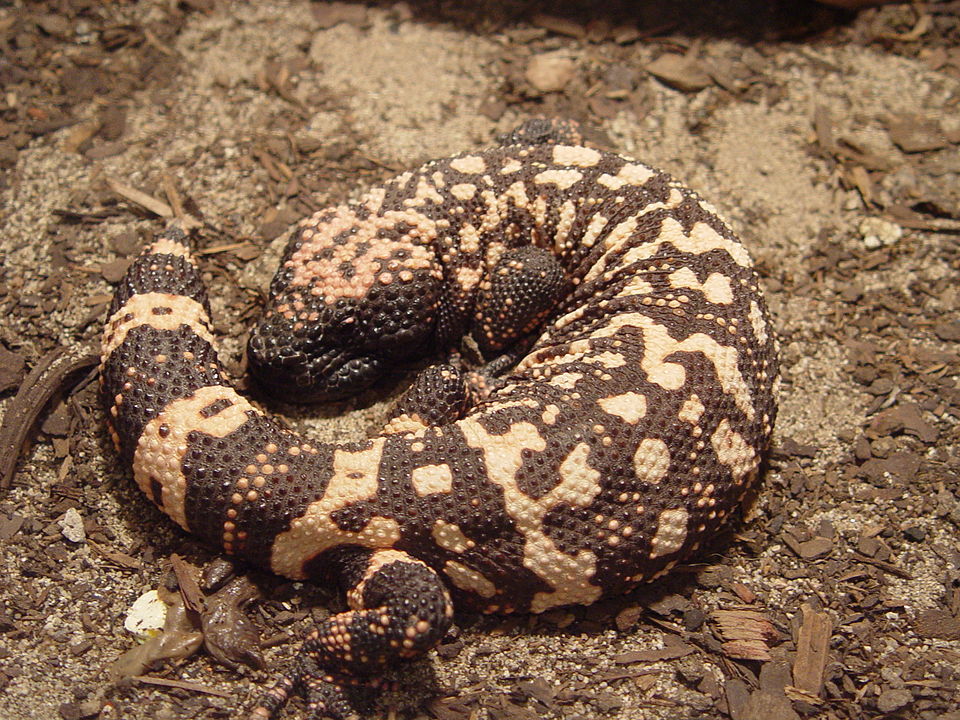
Scientists studying animal venoms once asked a simple question: Which venoms affect the pancreas? Why the pancreas? While working at the NIH, Jean-Pierre Raufman and his team wanted to find molecules that would trigger the pancreas to release more enzymes for metabolic control. They had read that venomous bites from different animals were known to be associated with pancreatitis in patients. They thought to try these venoms to search for novel molecules, testing many venoms before finding that gila monster venom triggered the biggest reaction. [2] [1] In the Gila monster’s venom, they found a peptide molecule that acts like human GLP‑1, a hormone that helps our body release insulin and control metabolism.
In this answer, there was a fortunate surprise: the Gila monster’s version lasts much longer in the body than our own. That insight launched an entire class of long‑acting GLP‑1 medicines. Through 40 years of research revolutionary treatments for type 2 diabetes, like Ozempic, have been developed. In other words, a little curiosity plus a desert lizard helped transform modern medicine. [2]
Yogurt to Genome Editing: CRISPR’s Unlikely Origin
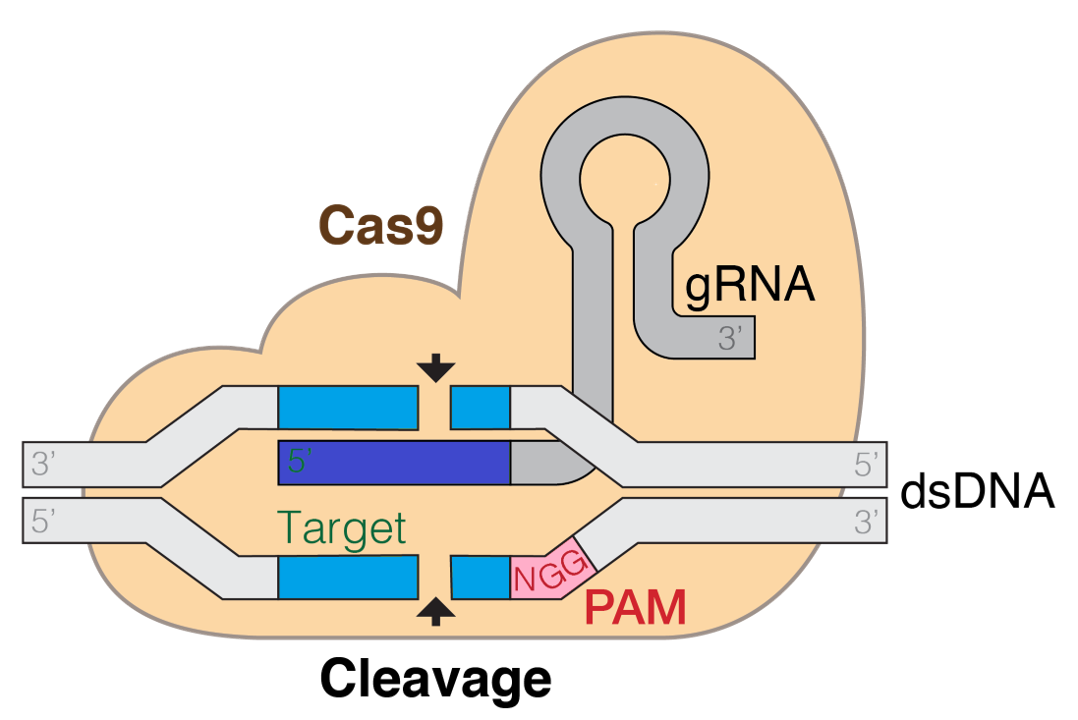
Another big leap was cultured in a dairy lab when researchers wondered, "how do yogurt-making bacteria fend off viral attacks?". They discovered that bacteria keep genetic records of past viruses so they can recognize and cut them up if they return.
That defensive trick was recognized for its potential as a powerful, programmable gene editing tool. CRISPR Cas9 is now used across medicine, from studying diseases to developing new therapies. [3]
What is serendipity?
“The phenomenon of making an unplanned, fortunate discovery through a combination of unexpected circumstances and insightful recognition.” [6]
Fruit Flies to Cancer Clues: When Growing Goes Wrong
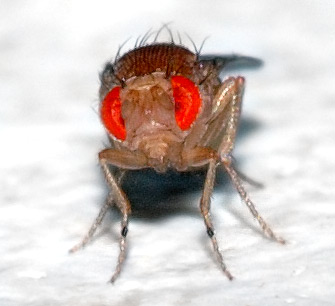
Even small things can answer big questions, such as "how does an organ know when it’s the right size?". Chasing this question, scientists uncovered a growth control system using fruit flies (Drosophila) which tells cells when to stop dividing. [4]
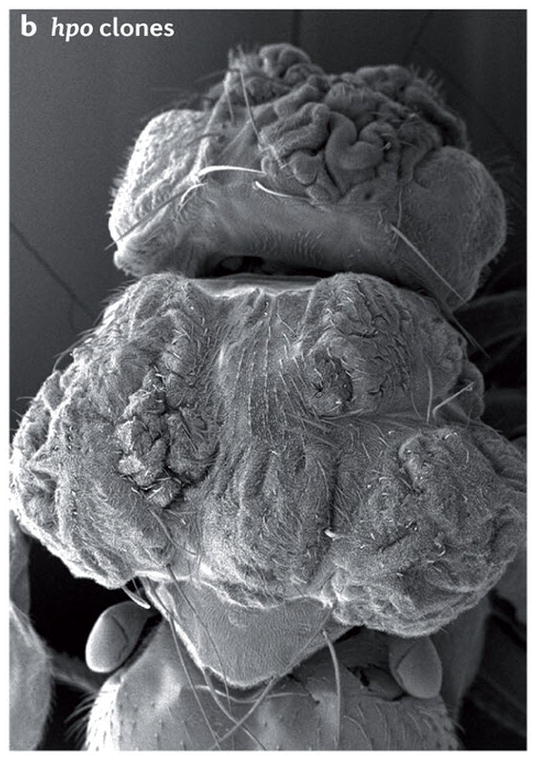
When this network This network is called the Hippo Pathway. When scientists mutated one of the genes in this pathway, they thought it made the fruit fly eye look like a wrinkled hippopotamus. Who ever said science isn't fun? of genes is broken, cells will grow out of control. This network is frequently broken in pancreatic cancer cells. Discovering this pathway is helping researchers design new strategies to save cancer patients, showing that even small can be mighty. [5]
Follow the Gila Monster
Breakthroughs don’t always come from places we expect.
By following curiosity and being ready for the unexpected
(through trained insight), we unlock ideas that can change lives.
How do cells and organisms detect and respond to the world? The Jaszczak lab invites you to embrace serendipity as we study the mechanisms of sensory biology. Can exploring this reveal insight for treating pain and developmental diseases? We’re excited for this journey, because today’s curiosity will become tomorrow’s discoveries.
Further Reading:
1. Raufman JP, Jensen RT, Sutliff VE, Pisano JJ, Gardner JD. Actions of Gila monster venom on dispersed acini from guinea pig pancreas. Am J Physiol. 1982 May;242(5):G470-4. PMID: 6177252.
2. https://whyy.org/segments/ozempic-how-gila-monster-venom-led-to-weight-loss-drugs
3. Lander ES. The Heroes of CRISPR. Cell. 2016 Jan 14;164(1-2):18-28. PMID: 26771483.
4. Saucedo LJ, Edgar BA. Filling out the Hippo pathway. Nat Rev Mol Cell Biol. 2007 Aug;8(8):613-21. PMID: 17622252.
5. Wang X, Du J, Li H, Cao Z, Cheng Z, Wang Z. The Hippo signaling pathway modulates pancreatic tissue homeostasis. Cell Death Discov. 2025 Jul 24;11(1):343. PMID: 40707469.
6. en.wiktionary.org/wiki/serendipity
7. Wikimedia File:Gila_monster2.JPG
8. Wikimedia File:GRNA-Cas9-colourfriendly.png
9. Wikimedia File:Drosophila_melanogaster_-_front_(aka).jpg
Special thanks to Jaiden McClellan for design and editorial feedback.